

Can Massage Feel Different From One Session to the Next?
By Siam Thai Wellness Journal
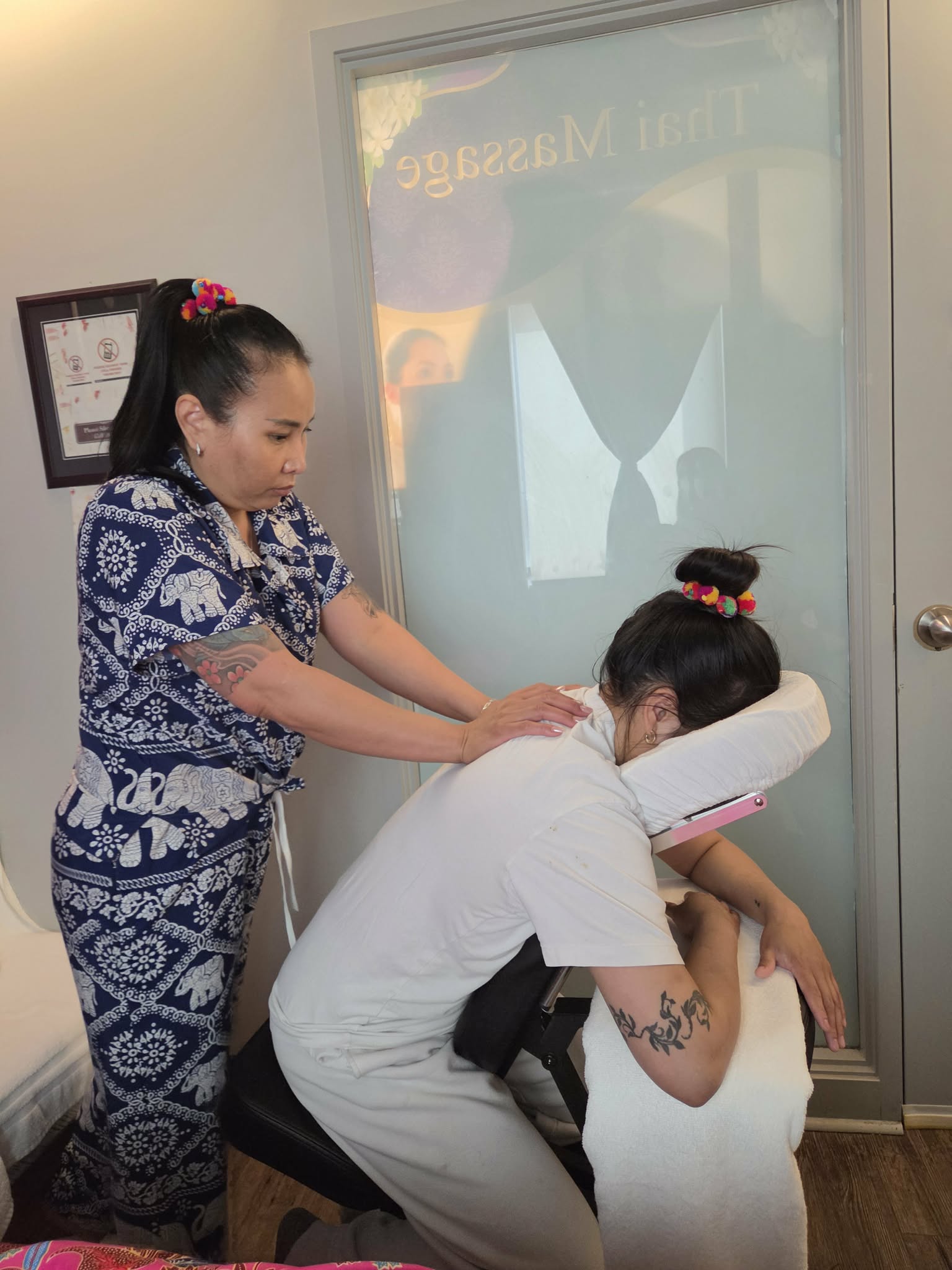
Yes, a massage can feel different from one appointment to the next. Pressure you enjoyed last time may feel stronger today, or you may want a quieter, gentler session even though you booked the same service. A different sensation is not, by itself, evidence that something is wrong or that the treatment is working better.
Your previous visit is useful context, not a set of instructions you must repeat. You can change your preferences every time you come in.
You arrive with a different day behind you
Activity, rest, stress and how comfortable you have felt during the day can all influence what you notice on the massage table. A long walk, a physically demanding shift or several hours sitting may leave you wanting attention in different areas. Poor sleep or feeling overwhelmed can also change how much touch or movement you want.
These are possible influences, not a diagnosis. You do not need to work out exactly why an area feels sensitive before mentioning it. Saying, “My shoulders feel more sensitive today” gives the therapist useful information without assigning a cause.
The same pressure may not feel the same
Comfort is personal and can vary across different parts of your body. A pressure level that feels pleasant on your back may feel too strong on your arms or feet. Even familiar techniques may need adjusting during a particular visit.
You do not have to tolerate discomfort to match your last appointment. Ask for less pressure, slower movement, a different technique or an area to be left alone. More intense sensation does not establish that a treatment is more effective, and soreness is not a goal you need to reach.
Small details in the session matter
Positioning, time spent on an area and the balance between hands-on pressure and assisted movement can make sessions feel different. If you see a different therapist, their pace and approach may also feel unfamiliar. Clear communication is more useful than expecting every movement to be identical.
If there was something you especially liked last time, describe it simply. For example, you might say that lighter shoulder work felt comfortable or that a particular stretch did not suit you. Ask what is possible within the service you booked rather than assuming all massage styles include the same techniques.
A short check-in can help
Before the appointment begins, share what has changed since your last visit:
- Any new injury, procedure, health concern or relevant medication change.
- Areas that feel unusually sensitive or that you would like avoided.
- Whether you prefer gentle relaxation or comfortable assisted movement today.
- Any discomfort or prolonged soreness you noticed after the previous session.
You can keep giving feedback once the massage starts. “That is a little too much,” “Could we skip this area?” and “Can I change position?” are enough. You do not need a technical explanation or to wait until the end.
Notice your response without grading it
Afterward, think about whether you felt comfortable, heard and able to ask for adjustments. You may feel relaxed, alert or simply ready to continue your day. Not having a dramatic response does not mean you need stronger treatment at your next visit.
Significant, persistent or worsening pain should not be dismissed as a normal variation. New weakness, numbness or unexplained swelling needs healthcare assessment. During treatment, ask to stop if you feel sharp pain, tingling, dizziness or anything that concerns you.
Let the next visit fit how you feel now
For your next Edmonton appointment, use past experience as a starting point while leaving room for today’s preferences. Explore the Siam Thai Yoga Massage service options, and ask the clinic if you are unsure which style matches the experience you want.
When you feel ready, book your next massage. A useful goal is a comfortable session, not an exact repeat of every sensation from last time.