

Thai Reflexology: Questions to Ask Before Booking
By Siam Thai Wellness Journal
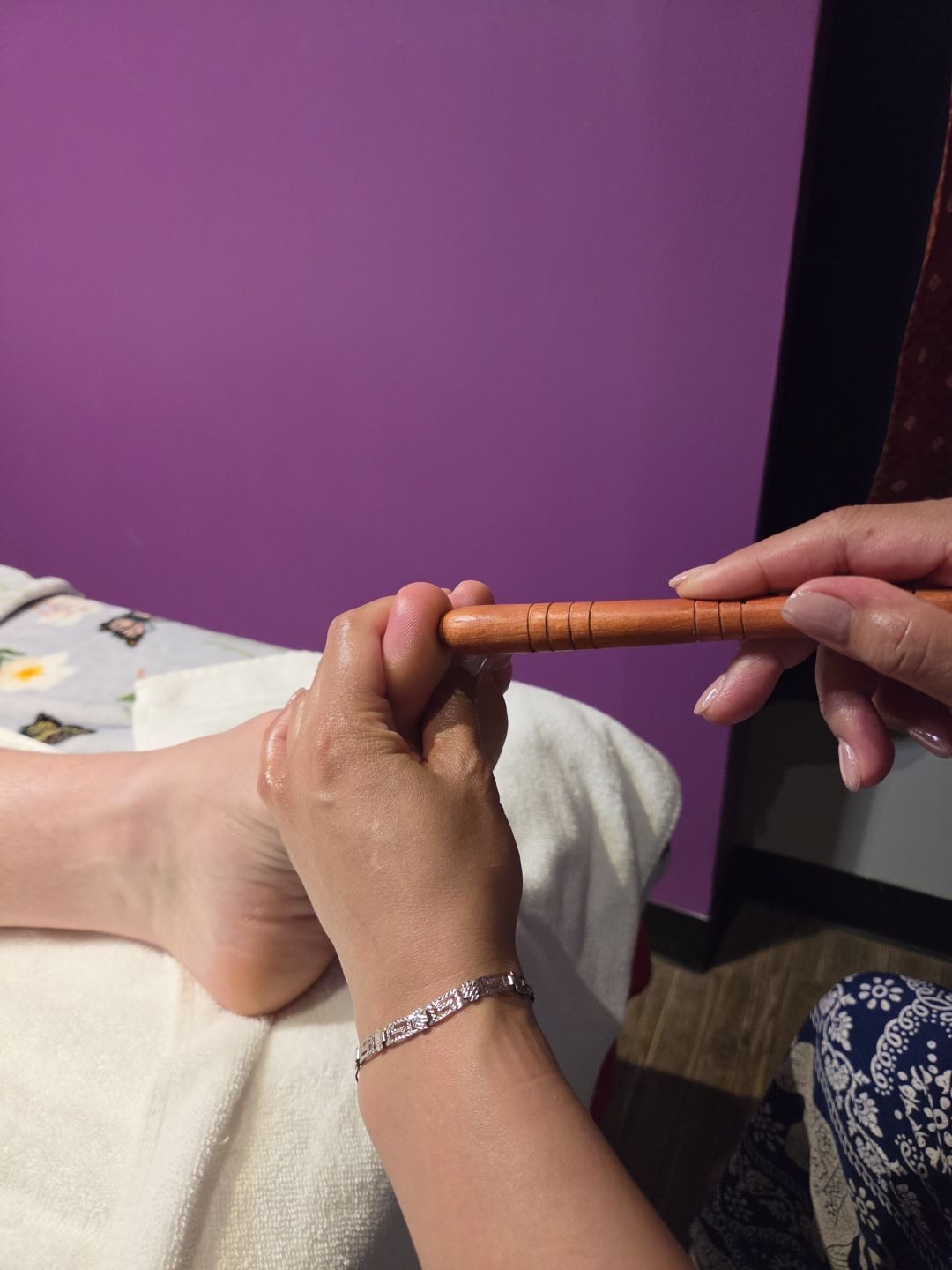
Before booking Thai reflexology, it helps to ask about the experience rather than relying on the service name alone. Pressure, sensitivity, tools and how much time is spent on different areas can affect whether a session sounds comfortable to you.
This guide focuses on practical questions to ask before your visit. Reflexology should not be used to diagnose illness or as a substitute for medical care, and claims that pressing a point treats a particular internal organ should not guide your booking decision.
What does this appointment include?
Ask the clinic to describe the session in plain language. Which areas are included? Is the work mainly on the feet, and is any lower-leg massage involved? What position will you be in, and what clothing is practical?
You can also ask about the appointment length and current price. Confirm these details directly rather than assuming every reflexology service has the same format. If you are comparing it with another kind of massage, explain whether you mainly want quiet relaxation, attention to your feet or a different overall experience.
How is pressure adjusted?
Let the therapist know if your feet are sensitive, ticklish or uncomfortable with firm touch. Ask whether the session can begin gently and how to request a change during treatment. A description such as “That pressure feels too strong” is enough.
You do not need to tolerate pain for reflexology to count as a proper session. Discomfort at a particular spot does not establish that there is a problem with a corresponding organ. Ask to stop any technique that causes sharp pain, tingling, burning or other concerning sensations.
Are tools used, and can I ask about alternatives?
Some Thai reflexology techniques use a wooden tool as well as the therapist’s hands. If you have seen a photo and are unsure how it will feel, ask what the tool is used for and whether an alternative is available.
Do not assume a tool is required in every session or that a hands-only option will always be possible. Confirm the available approach with the clinic before booking, especially if tool pressure is a concern. You can still withdraw consent to a technique during the appointment.
What health information should I share?
Mention recent injury or surgery, skin problems, wounds, swelling, changes in sensation and health conditions that could affect foot care. Tell the therapist if you take blood-thinning medication or have been given restrictions by a healthcare professional.
If you have diabetes, reduced sensation, circulation concerns or another condition affecting your feet, ask your healthcare professional whether massage is suitable for your circumstances. Reduced sensation can make it harder to judge pressure, so general advice about what feels comfortable may not be enough.
New, unexplained one-sided swelling, warmth, redness or calf pain needs prompt medical assessment rather than massage. Open wounds, suspected infection or a recent foot injury may mean postponing treatment. Reflexology is not a way to test whether these symptoms are serious.
Can the position be made comfortable?
If lying back, bending your knees or keeping one position is difficult, ask what supports or alternatives are available. Mention mobility or access needs before the appointment so the clinic can confirm whether it can meet them.
You do not have to wait until a position hurts to request a pause. Ask how to signal that you would like to move or stop while your foot is being supported.
What should I expect afterward?
Choose realistic goals such as a comfortable, relaxing visit rather than promises of detoxification or treatment of an internal condition. Ask what to do if you experience unexpected discomfort afterward. Persistent or worsening symptoms need healthcare advice, not an assumption that they are a beneficial reaction.
Explore the current services at Siam Thai Yoga Massage, confirm your questions with the clinic, and book an Edmonton appointment when the approach feels right for you.