

What If You’re Ticklish During a Massage?
By Siam Thai Wellness Journal
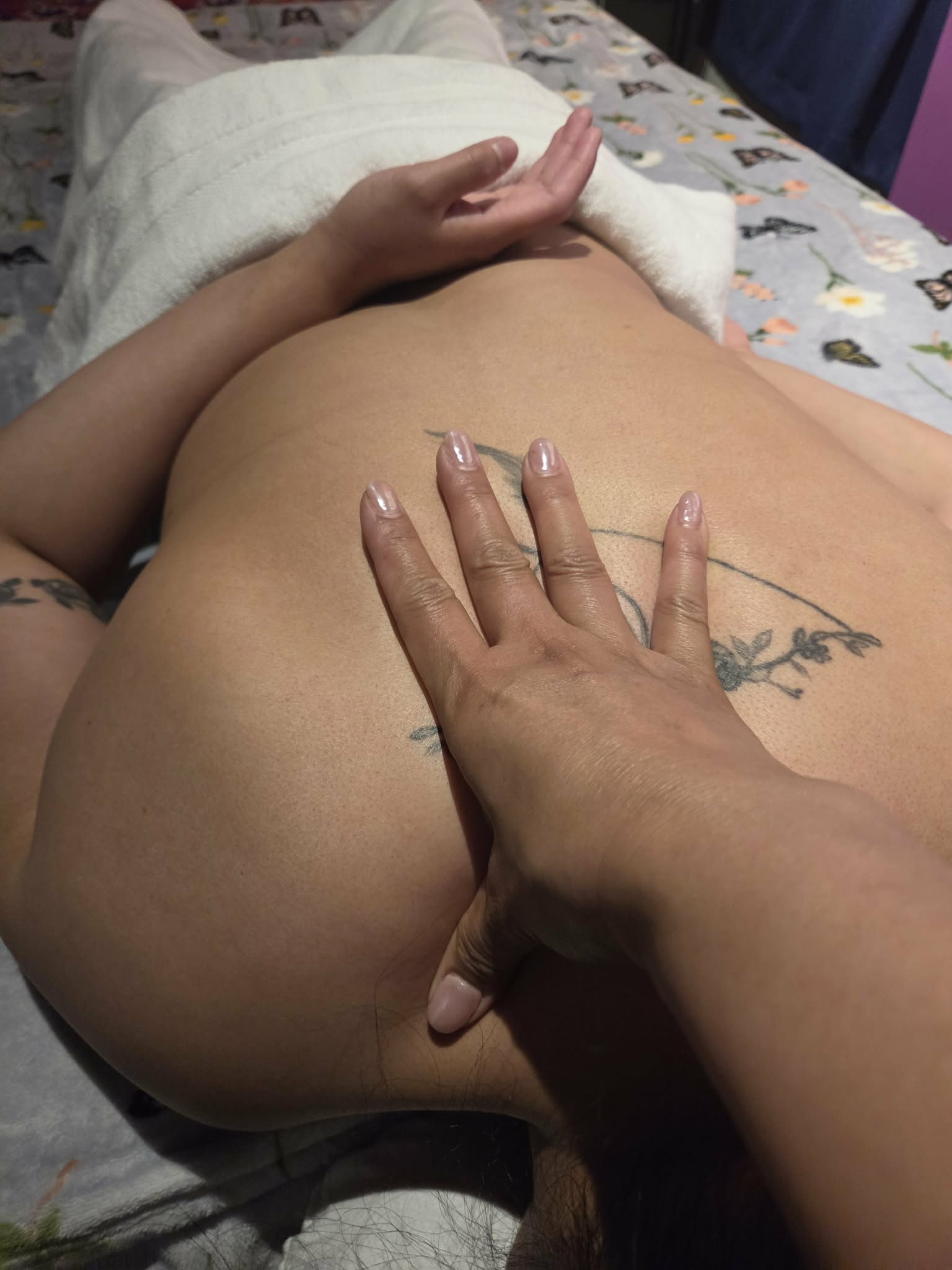
If you are ticklish, the thought of a massage may bring a practical worry: what happens if you laugh, tense up or pull away? You do not need to hide that response or apologize for it. Some areas may feel more sensitive than others, and what feels comfortable can vary from day to day.
The useful starting point is to tell the therapist. Being ticklish is information that can help guide a conversation about touch, pressure and which areas you want included.
Mention it before the massage begins
You can keep the explanation short: “My feet are very ticklish,” “Light touch makes me flinch,” or “I am not sure how I will feel about work around my sides.” You do not need to know why you react that way or provide a medical explanation.
If you have had a massage before, describe what was comfortable and what was not. If this is your first visit, say that you would like to start gradually and give feedback. There is no requirement to predict every sensitive spot ahead of time.
You can ask for a change during the session
A technique can feel ticklish even if you expected to enjoy it. You can ask the therapist to pause, change the technique, move to another area or stop working on that area altogether. You can also end the session if that is what you want.
- “That feels ticklish rather than relaxing. Could we try something else?”
- “Please avoid my feet today.”
- “Could you pause while I get comfortable?”
- “I would prefer not to have that area included.”
Laughing does not automatically mean you are enjoying the sensation. If you find it difficult to speak when you laugh or tense up, agree on a simple pause signal before starting. Your feedback should guide what happens next.
Different touch may feel different—but stronger is not always better
Some people find one pace or type of contact more comfortable than another. You can ask whether a different technique is available within the service you booked. There is no single pressure level that solves ticklishness for everyone.
Do not replace a ticklish sensation with pain just to get through the treatment. Firmer pressure must still feel comfortable, and it is fine to prefer that an area be skipped. Nor do you have to practise tolerating unwanted touch to earn a relaxing massage.
Choose what you want included
A sensitive area does not have to become the focus of your appointment. Discuss the areas you would like included and any that you want left alone. Ask the clinic in advance if you are unsure what a particular service involves or how it can be adjusted.
Clothing, draping and positioning differ between massage styles. Review the Siam Thai Yoga Massage service options and ask questions rather than assuming that every appointment uses the same setup. Confirm any specific accommodations before booking.
Separate ticklishness from pain or a new symptom
Ticklishness and discomfort can be difficult to describe in the moment. You do not have to label the sensation precisely before asking to stop. Sharp pain, burning, tingling or numbness should not be treated as something to push through.
If sensitivity is new, unexplained, painful or affecting daily activities, ask an appropriate healthcare professional for advice. A massage session cannot diagnose the cause.
A comfortable visit starts with permission to speak up
You are allowed to laugh, ask questions, change your mind and choose less touch. For an Edmonton massage appointment, a short conversation about sensitivity can be more useful than trying to stay perfectly still.
When you are ready, book at Siam Thai Yoga Massage and mention your preferences before the session begins. Comfort is a reason to adapt the experience, not something you have to prove you can tolerate.